












Ask any forwarder about the Cuba trade and you will hear the same two problems: carriers will not take the cargo, and when they do, there are never enough boxes. This guide explains how our SOC break-bulk service solves both — and why it comes with no product restrictions for legal trade.
Why Liner Services Struggle on the China–Cuba Route
Cuba is not a normal destination for a container line. Fewer direct calls mean fewer slots, and most conventional services reach Havana or Mariel through transshipment hubs in Europe or the Caribbean. Every extra handling adds cost, delay and risk of your container missing the connection.
The deeper issue is equipment. International liner companies carry COC — carrier-owned containers — and they simply do not position many boxes for Cuba. Some carriers also maintain long internal restriction lists for Cuba-bound commodities, so even drum-top cargo like machinery or spare parts can be refused at booking. If your factory is ready and the carrier says no, the whole purchase schedule slips.
The SOC Break-Bulk Answer: Ship-Owners Who Own Their Boxes
Our service is built differently. The containers are SOC — shipper owned containers — purchased and controlled by the Chinese ship-owners we cooperate with, not borrowed from an international line. The vessels are break-bulk ships operated by those same owners, calling Chinese ports and sailing to Cuba on schedules the owners set themselves.
Because the ship-owner controls both the ship and the boxes, three things change:
- No waiting for a carrier to release a container — 20GP, 40GP and 40HQ SOC boxes are positioned at your loading warehouse or yard in China.
- No commodity exclusion lists copied from liner tariffs — cargo acceptance is decided by the ship-owner, not a distant head office.
- No dependency on transshipment connections — SOC boxes are stowed in hold or on deck and sail direct to Mariel, Havana or Santiago de Cuba.
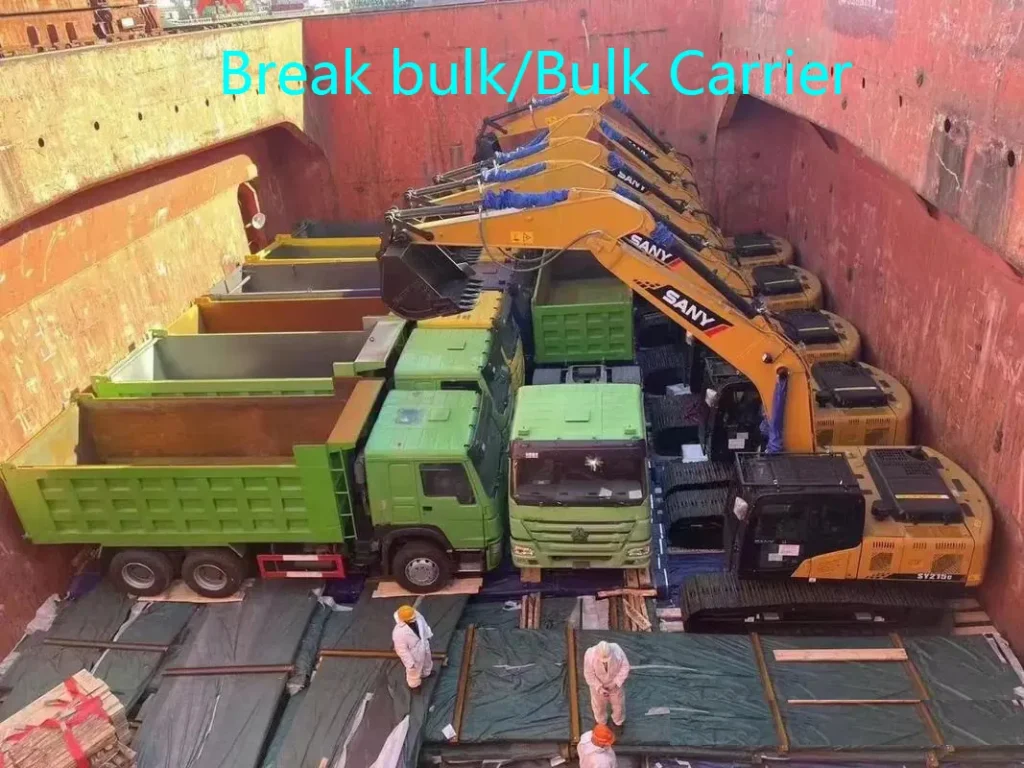
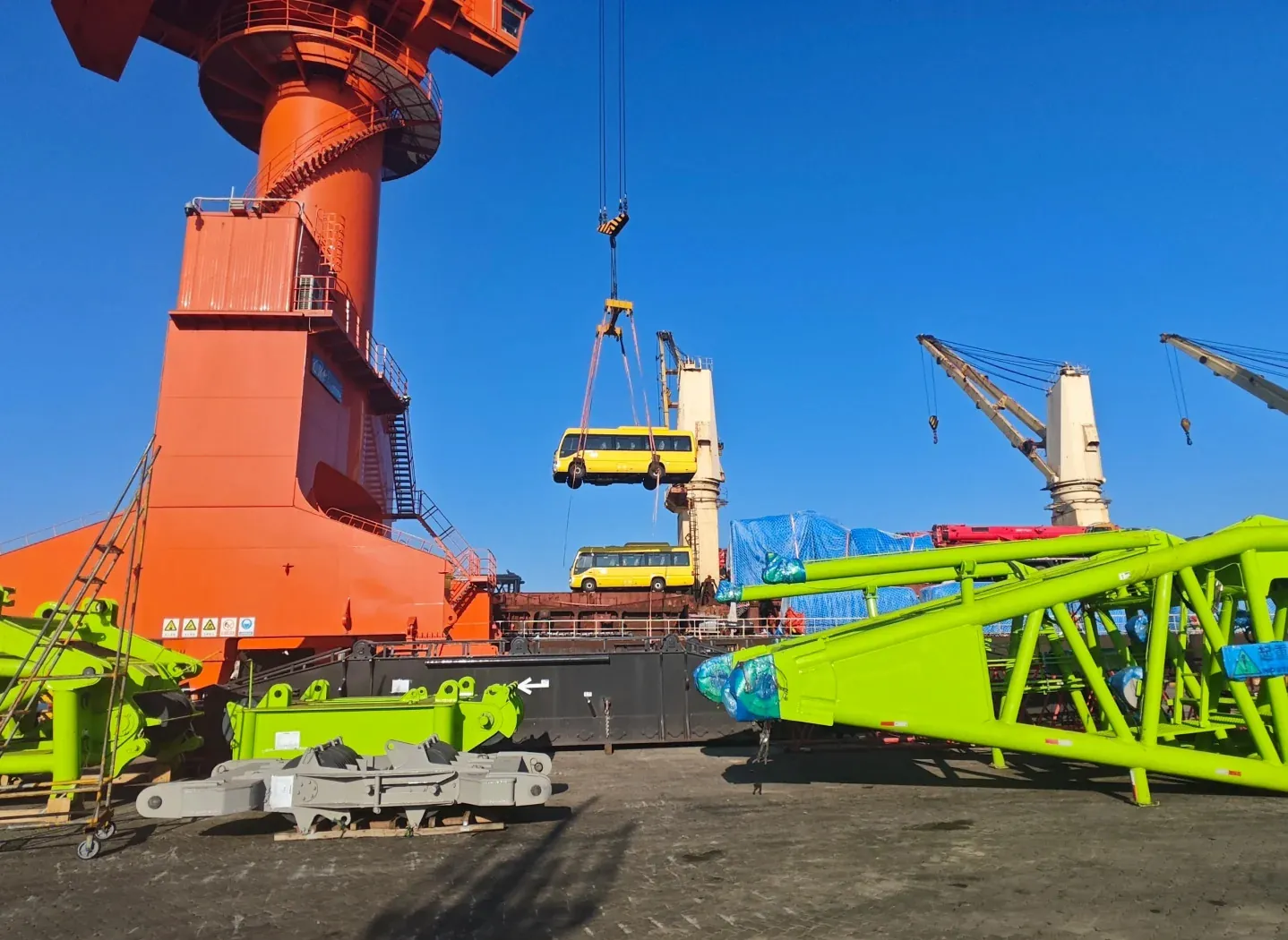
Once your goods are stuffed and sealed inside the SOC box, the container itself is stowed aboard the break-bulk vessel together with steel, out-of-gauge pieces, vehicles and heavy-lift units — cargo that would never fit a conventional cell-guided liner ship.
No Product Restrictions for Legal Cargo
This is the part Cuban importers ask about first. On this lane we accept virtually every category of Chinese-made export goods: construction materials, steel products, complete machinery and production lines, generator sets, buses, trucks and cars, spare parts, household goods, textiles, hardware, food-processing equipment and full project cargo.
The rule we apply is simple: if the goods can be legally exported from China and lawfully imported into Cuba, we can carry them. Our team checks the HS code at booking stage so there are no surprises after the box is loaded. The only exclusions are goods prohibited under Chinese export control or Cuban import regulations — the same rule every serious operator applies, everywhere.
Ports, Transit and the Process
| Item | Detail |
|---|---|
| Loading ports | Shenzhen, Ningbo, Shanghai, Qingdao, Xiamen, Tianjin |
| Discharge ports | Mariel (recommended hub), Havana, Santiago de Cuba |
| Transit time | 35–50 days port to port |
| Equipment | 20GP / 40GP / 40HQ SOC, plus break-bulk and heavy-lift stowage |
| Season note | Caribbean hurricane season (June–November) can shift schedules |
Booking follows five steps. First, send us the commodity name, HS code, weight, volume and destination port. We confirm compliance and quote. Second, the ship-owner positions the SOC container at your warehouse for stuffing. Third, we handle export customs clearance in China. Fourth, the sealed box is stowed aboard the break-bulk vessel. Fifth, it discharges at your Cuban port and the consignee completes import clearance. After devanning, the SOC container returns to the ship-owner under the agreement with their local partner — you never deal with box returns.
Who This Service Fits
- Project cargo owners moving machinery, production lines or oversized units that liners refuse or cannot stow.
- Trading companies whose Cuba-bound bookings keep getting rejected by conventional carriers.
- Importers of vehicles, buses and generator sets who need lashing and securing for the ocean leg.
- Anyone tired of watching a shipment miss a Caribbean transshipment connection.
If you want the full route comparison — rates, ports and customs notes — see our main shipping from China to Cuba page. For mode selection between full containers and shared boxes, the FCL vs LCL guide covers the basics.
Related Reading
- How Much Does It Cost to Ship from China to Cuba? 2026 Rates
- Shipping from China to Cuba — Full Country Guide
- DDP Shipping from China: Who Pays Duty, and When
- Shipping from China Hub — All Destinations
Request a Quote
Tell us your cargo type, volume and destination. Our freight team replies with a routing plan and a firm transit quote.