












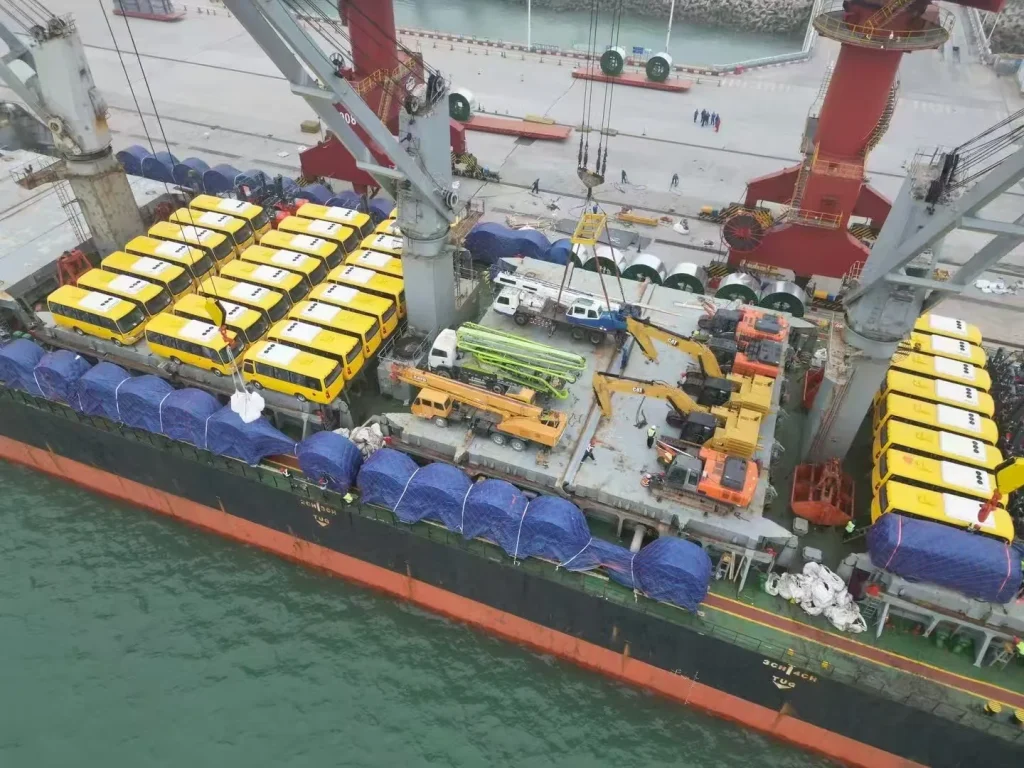
Cuba is one of the higher-cost lanes out of China — long Caribbean routing, few direct calls and scarce equipment all push rates up. Here is a realistic 2026 budget reference by mode, and the factors that decide where inside the range your shipment lands.
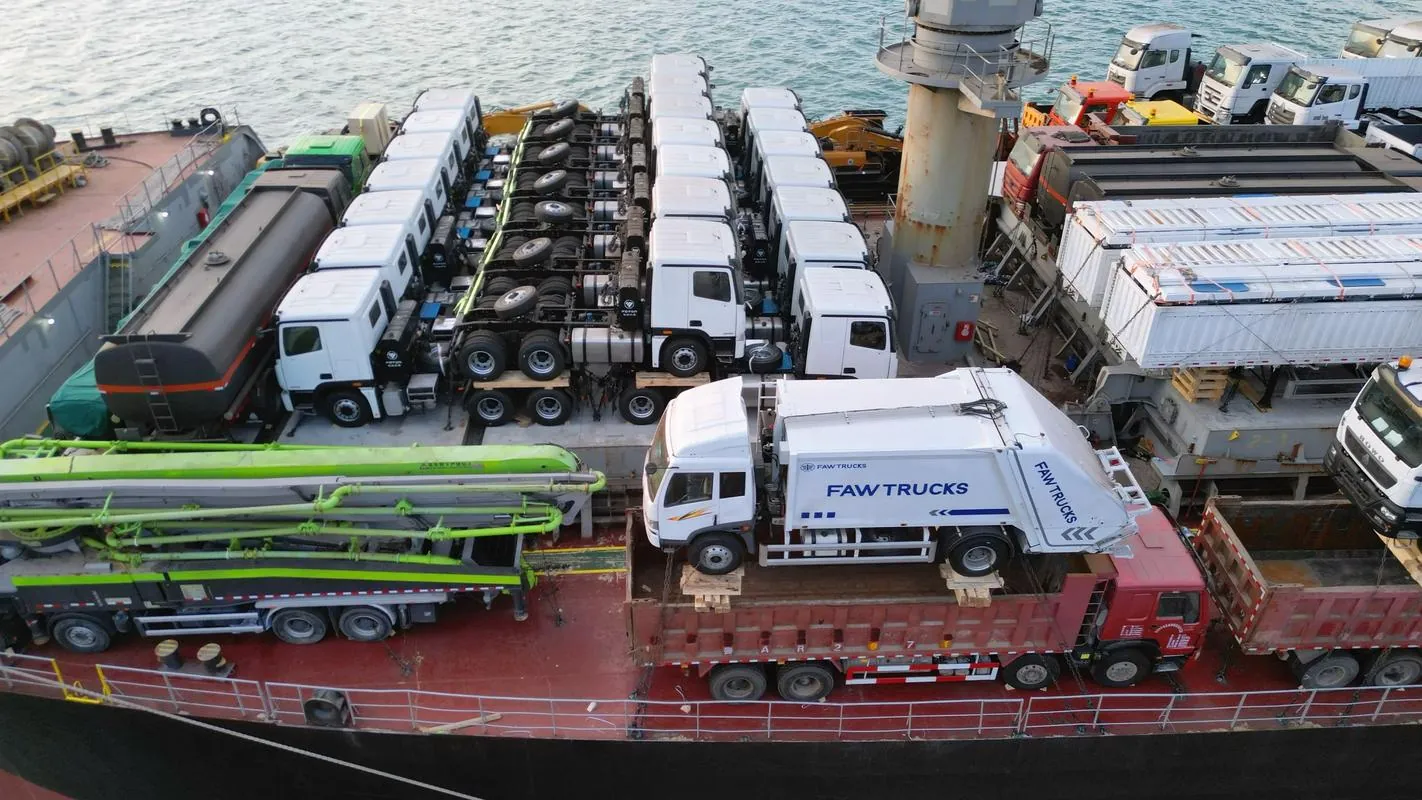
2026 Rate Reference: China to Cuba by Mode
| Shipping Method | Reference Cost | Transit Time | Best For |
|---|---|---|---|
| Air freight | Around $6.0–$10.0 / kg | 6–12 days | Urgent, high-value or sample cargo |
| Sea FCL 20ft | Around $3,500–$5,500 | 35–45 days port to port | Full container commercial cargo |
| Sea FCL 40ft | Around $4,800–$7,500 | 35–45 days port to port | Volume cargo, lighter-density goods |
| Sea LCL | Around $90–$150 per CBM | 40–50 days | Smaller consolidated shipments |
| SOC break-bulk 20ft | Around $3,200–$4,800 | 35–50 days port to port | Cargo liners refuse, project and heavy units |
Door-to-door transit by sea typically runs 45–60 days once customs on both sides is included. Treat every number above as a budgeting reference, not a quote — the Cuba lane moves with fuel, season and consolidation, and a firm price only comes from a routing check against your actual cargo.
Why Cuba Costs More Than Neighboring Destinations
A box to Kingston or Veracruz rides a dense regional network. A box to Mariel usually does not. Most conventional services transship through Europe or the Caribbean, so you pay for the main-haul leg plus the feeder, and each handling adds a terminal charge. Equipment scarcity makes it worse: carriers do not reposition many boxes to Cuba, so when they do, the rate carries that imbalance.
This is also why the SOC break-bulk service often undercuts conventional FCL despite the longer feel of the route — Chinese ship-owners supply their own containers, sail their own vessels and skip the transshipment margin entirely.
What Moves Your Quote Inside the Range
- Commodity and density. Steel and machinery price differently from textiles — weight, volume and stowage all feed the number.
- Port pairing. Shenzhen to Mariel is not the same cost as Tianjin to Santiago de Cuba. Inland haulage in China is a real line item.
- Mode. FCL, LCL, air or SOC break-bulk — for boxes that liners refuse, break-bulk is frequently the cheaper option that actually sails.
- Season. Caribbean hurricane season (June–November) tightens schedules; Chinese New Year and pre-holiday peaks tighten space.
- Booking lead time. Break-bulk sailings consolidate cargo. Booking 3–4 weeks ahead secures the better stowage and rate.
Destination-Side Costs to Budget For
The ocean freight is rarely the whole story. On the Cuban side, plan for destination terminal handling, documentation fees, import clearance through the licensed receiving entity, and on-carriage from Mariel or Havana to the final consignee. If demurrage or detention applies because the box cannot return on schedule, that cost lands on the shipment too — another reason the SOC model, where the ship-owner manages box returns under agreement, is easier to live with.
Customs paperwork matters for cost as well. A commercial invoice, packing list, bill of lading and certificate of origin with consistent cargo descriptions keep clearance moving; mismatches mean inspection days, and inspection days mean storage. Our team prepares the full export document set in China and pre-alerts the receiving entity before arrival.
Four Ways to Bring the Number Down
- Consolidate small orders into one LCL or SOC booking instead of shipping piecemeal.
- Choose the discharge port by total landed cost, not habit — Mariel is not always the cheapest final delivery, but usually wins on handling quality.
- Book early and lock the sailing, especially June through November.
- Compare conventional FCL against SOC break-bulk before committing; for refused or awkward cargo the break-bulk quote often wins outright.
Mode-by-mode trade-offs are covered in detail in our FCL vs LCL comparison, and route options on the main China–Cuba shipping guide.
Related Reading
- SOC Break-Bulk Shipping from China to Cuba: How It Works
- Shipping from China to Cuba — Full Country Guide
- Project Cargo Shipping from China: Oversized and Heavy Equipment
- Shipping from China Hub — All Destinations
Request a Quote
Tell us your cargo type, volume and destination. Our freight team replies with a routing plan and a firm transit quote.